
How Community Violence Intervention (CVI) and Data Save Lives: Dr. Shani Buggs
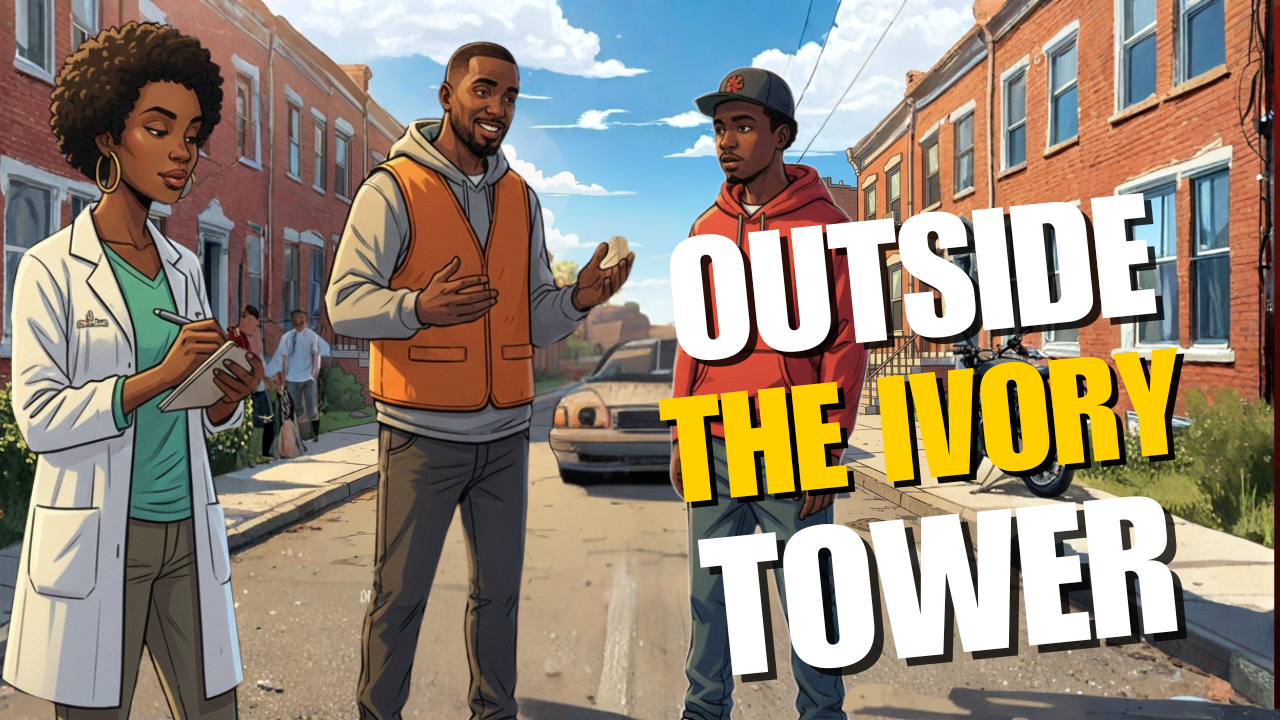
Dr. Shani Buggs on Community Violence Intervention (CVI) and the Public Health Approach to Gun Violence Prevention
Dr. Shani Buggs is a leading researcher in community violence intervention (CVI) and a vital advocate for a public health approach to gun violence prevention. In this episode, she joins host Jonathan McMillan to discuss why she left a corporate career to live in Baltimore and study why some lives are treated as tragedies while others are mere statistics.
What you’ll learn in this masterclass on community safety:
The Federal Fight for CVI Funding: How Dr. Buggs and a coalition of leaders advocated for billions in federal funding from the White House.
Data-Driven Violence Prevention: Why using science to elevate the voices of street outreach workers is the key to effective policy.
Restoring Hope as a Safety Strategy: The direct link between a lack of opportunity and "reckless" behavior in marginalized communities.
Next-Gen Leadership: Why "leadership is like milk" and how the Black and Brown Collective is training the next generation of scholars.
Overcoming Imposter Syndrome: Navigating conventional academic spaces while maintaining an authentic connection to the front lines.
The Power of Proximity: Shani shares her journey from corporate Atlanta to the front lines of Baltimore, explaining why true leadership requires getting "proximate" to the pain and the people most impacted by policy
Investing in Hope, Not Just Programs: A deep dive into why "recklessness" is often the byproduct of hopelessness, and why the most effective public safety strategy is investing in a tangible future for young Black men and boys.
Resource Links:
The Black and Brown Collective for Community Solutions to Gun Violence: A multidisciplinary network that centers equity and community-led research to address firearm violence.
Website: thebbcollective.org
The HAVI (Health Alliance for Violence Intervention): A national organization supporting hospital-based violence intervention programs (HVIPs).
Website: thehavi.org
REDI Chicago (Rapid Employment and Development Initiative): A large-scale initiative providing subsidized jobs and cognitive-behavioral programming to those at highest risk of gun violence.
Website: crimelab.uchicago.edu/projects/readi
Cure Violence Global: An organization that treats violence as a health epidemic and utilizes "violence interrupters" to stop its spread.
Website: cvg.org
Johns Hopkins Center for Gun Violence Solutions: A leading academic center that conducts scientific research to identify and advocate for gun violence prevention policies.
UC Davis Centers for Violence Prevention: An interdisciplinary research hub focused on the causes and prevention of violence.
Website: health.ucdavis.edu/vprp
Direct Contact Information
Professional Profile: Dr. Shani Buggs on LinkedIn
Email:
sabugs@health.ucdavis.eduLinkedIn:Dr. Buggs on LinkedIn: Shani Buggs
How Violence Prevention Leaders Avoid Burnout and Stay Authentic| With Shawn Dove
If you’re leading violence prevention work, community intervention, or serving Black men and boys — this conversation with Shawn Dove is a leadership masterclass built from lived experience.
Shawn Dove isn’t just a thought leader. He’s someone who has walked through recovery, grief, identity, failure, and success with purpose intact. He’s the founder of the Campaign for Black Male Achievement and the author of I Too, Am America: On Loving and Leading Black Men and Boys. In this episode, he breaks open the leadership burdens most don’t talk about: the tension between public success and private struggle, the cost of wearing armor, and the invisible labor of staying whole while leading.
What you’ll get out of this episode:
What you’ll get out of this episode:
Why your inner life matters more than your inbox. Shawn lays out why you must work harder on yourself than your job — not as soft talk, but as a survival strategy for sustaining the work.
Three pillars every leader should build: a mentor, a coach, and a therapist (or true therapeutic community) — and how these relationships keep you steady in crisis and success.
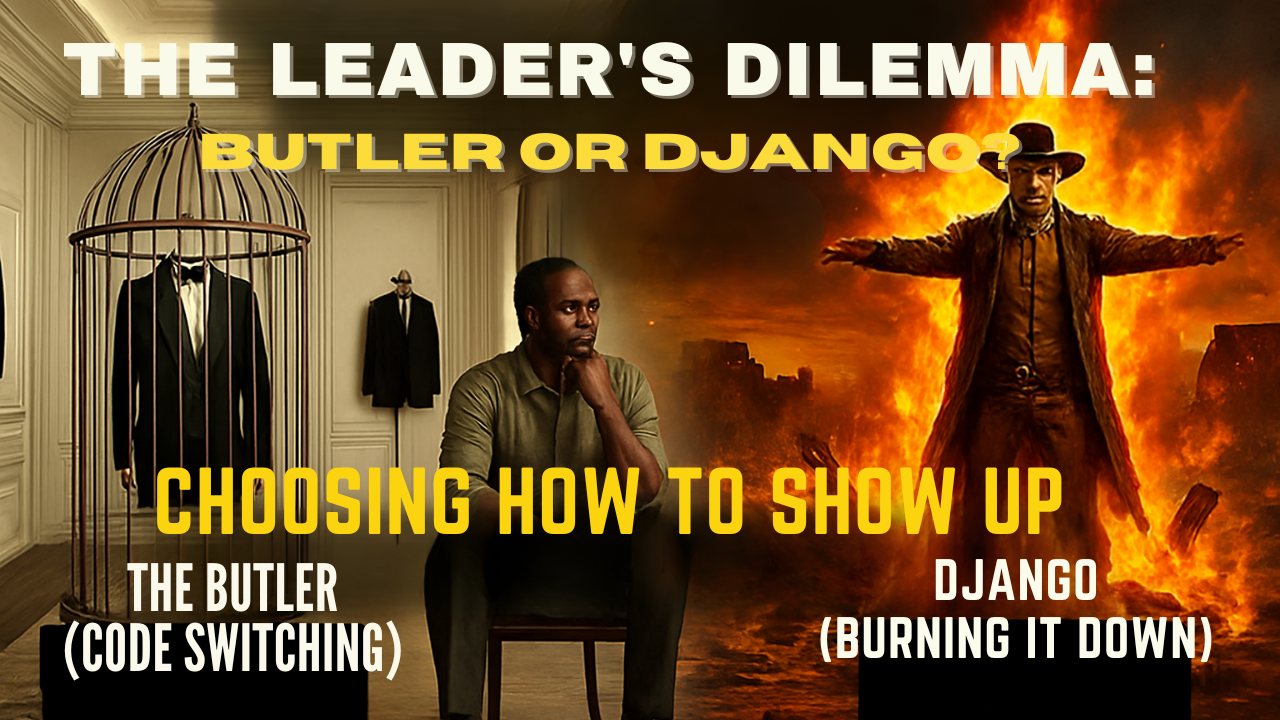
A leadership spectrum you actually need: the difference between showmanship and substance — from “Django” energy to “Butler” strategy — and why emotional intelligence is your competitive advantage.
How funding systems pressure competition. Shawn calls out how philanthropy often creates scarcity and why leaders need to own their value and demand collaboration instead of competing for crumbs.
A reframing of achievement for young Black men and boys. This goes beyond credentials and programs — toward love, belonging, economic viability, purpose, and narrative power.
This isn’t about inspiration. It’s about practical leadership architecture for the people carrying this work on the frontlines. If you’re a nonprofit executive, government leader, CVI director, or funder serious about systemic change, you’ll walk away with a clearer map for leading without losing yourself.
Listen now — and share this with one person whose leadership you want to strengthen.
How to Replace a Gang’s Ecosystem with Hope: A Conversation with Robert David
Some people think you can just yank someone out of gang life and call it intervention. CVI expert Robert David says in his 30+ years of experience he's learned that’s not how it works.
In this episode The InCredible Messenger, Robert breaks down how gangs function as ecosystems – and why real change means creating an alternative ecosystem that meets the same needs.
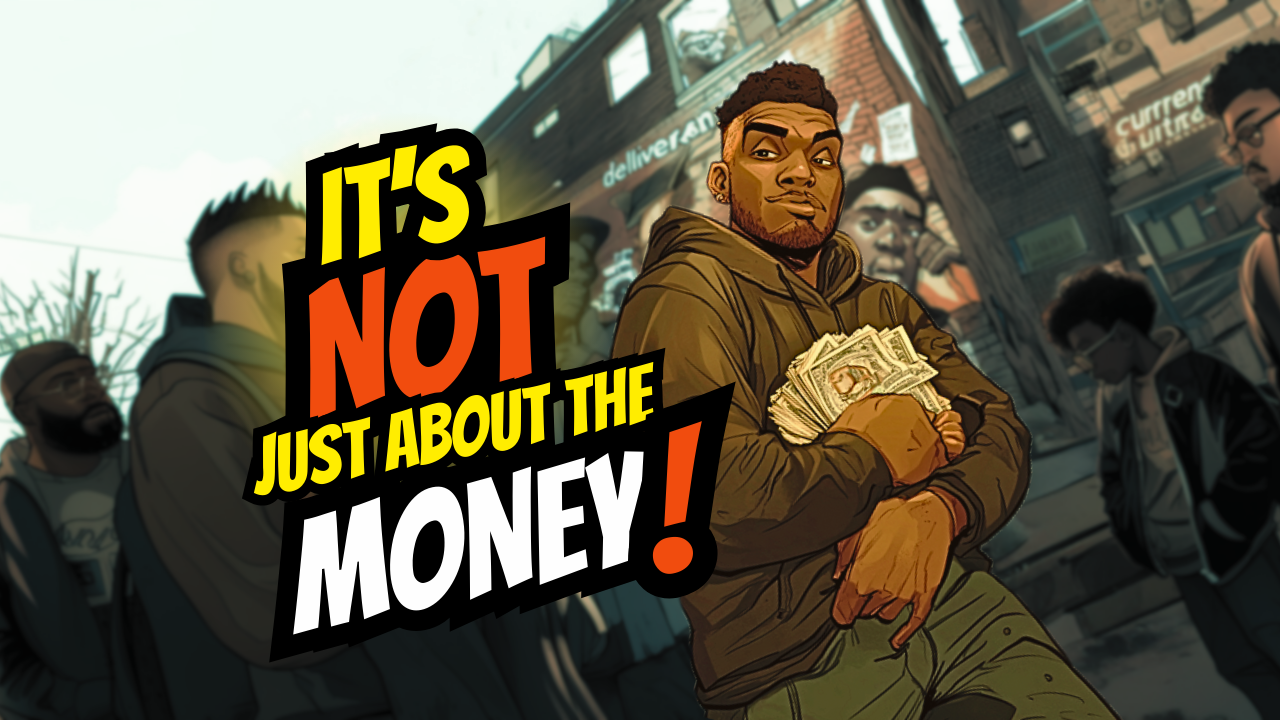
We talk about culture, belonging, and why it’s not just about the money. Robert takes us through how he’s using jobs, community connections, and trust-building to transition young people from survival mode to success mode.
If you’re serious about understanding what real intervention looks like, this conversation will challenge everything you thought you knew about youth violence prevention.
Chapters
00:00 – Introduction to Robert David
02:21 – Robert’s Personal Journey and Motivation
07:08 – The Role of Community in Violence Prevention
10:19 – Recruiting Youth to Change the Narrative
12:16 – Understanding Gang Culture and Community Engagement
17:41 – Creating Ecosystems for Change
21:06 – From Probation Officer to Community Advocate
25:09 – Integrating Behavioral Science in Community Work
27:05 – The Multifaceted Role of Robert David
32:31 – Personal and Professional Evolution in the Field
36:04 – The Importance of Roles and Principles in Community Work
38:08 – Understanding Motivations: Money, Ego, and Turf
40:44 – Entering the Field: Advice for Newcomers
42:57 – The Importance of Respect in Community Work
45:11 – Beyond Mentorship: Being a Conduit for Resources
51:11 – Building Community Ecosystems: Starting at the Grassroots 01:01:08 – System-Level Solutions: Connecting Resources Effectively
01:08:30 – The Heart of the Work: Passion and Authenticity
Takeaways:
Creating change means creating an entire ecosystem, not just a program.
Building trust and authentic relationships is essential for effective intervention.
Gangs provide structure, identity, and belonging – interventions must do the same.
It’s not just about jobs – it’s about creating sustainable pathways to opportunity. * The right mentors don’t just guide – they connect youth with real resources.
Connect with Robert David:
Website: [https://www.robertdavidconsulting.com/](https://www.robertdavidconsulting.com/) Email: [Robertdavidlifecoach@gmail.com](mailto:Robertdavidlifecoach@gmail.com) LinkedIn: [https://www.linkedin.com/in/robert-david-sr-ms-6ab58b45/](https://www.linkedin.com/in/robert-david-sr-ms-6ab58b45/) Books: [https://amazon.com/author/robertdavidlifecoach](https://amazon.com/author/robertdavidlifecoach)
What A Day In The Life of A CVI Worker REALLY Looks Like: A SECOND conversation with Preston Adams

This episode right here is for the ones who do the work or are thinking about stepping into it.
Last year, I sat down with my bro Preston Adams—co-founder of Fully Liberated Youth (now the City of Denver's Youth Violence Prevention program manager) to have a real conversation about what a day in the life of a CVI worker actually looks like. I want you to know the truth - not the version in a brochure. The version where you’re checking on a kid at 10PM, getting ghosted in the morning, dodging drama at a local restaurant, and still pulling up to court, school, a sentencing hearing, or a funeral. We talked about everything they don’t put in the job description: The emotional weight of the work. The trauma that comes with close to those we serve. The gas, the ghosting, the grind. And what it really takes to run an organization—not just serve in one. We also get into how to hold your own in rooms full of professionals who have titles, degrees, and power—but don’t always understand the value of lived experience. If you’re already in this field, just starting, or thinking about building something—this conversation might save you some mistakes. It’s not just insight—it’s strategy. Timestamp 0:00 - Exploring Youth Violence Prevention and Building Community Organizations 4:30 - Challenges and Rewards of Supporting At-Risk Youth in Denver 9:19 - Navigating Gang Territories and Celebrating Youth Achievements 11:38 - Advocating for Young People in Professional Settings 18:23 - Addressing Trauma for Effective Substance Misuse Treatment 20:32 - Building Relationships Through Humility and Understanding Professional Jargon 23:46 - Collaborative Efforts to Support and Liberate Young People 27:21 - The Power of Lived Experience in Advocacy 32:45 - Adventures and Challenges of Life on the Road 35:54 - Building a Nonprofit: Challenges and Strategies for Success 41:16 - Understanding Business Dynamics in Nonprofit Organizations 45:04 - Building a Movement: Balancing Compassion and Business Operations 52:06 - Navigating Nonprofit Challenges and Finding Your Passion 57:35 - Embodying Values and Expanding Impact Through Conversations Resources by Preston: Tattoos on the Heart by Father Gregory Boyle: https://amzn.to/3GjN45T