

From the Streets to the Solution: Real Talk on CVI with Marcus McAllister

If you're serious about understanding Community Violence Intervention (CVI), this episode with Marcus McAllister is essential. Marcus doesn't just talk CVI; he's lived it. After nearly a decade of incarceration, he transformed his life and is now a highly sought-after expert in violence intervention.
In this candid conversation, Marcus shares deeply personal stories about his journey and highlights empathy as the most critical skill in CVI work. He clarifies often misunderstood concepts, like the difference between violence prevention, intervention, and interruption.
Marcus emphasizes that successful CVI isn't just about immediate solutions but lasting community transformation, starting with professional growth and structured training for outreach teams.
Usually, you'd have to attend a conference or pay for Marcus's insights—but he's offering game-changing wisdom here for free. Don't miss this.
What Most Cities Get Completely Wrong About Violence Prevention - And How to Fix It: A Conversation with Dr. Monique Williams
What do most cities get wrong about violence prevention/intervention?
More than you might realize.
What does it really mean to lead with purpose — not just passion — in the community violence intervention space?
In this week's episode of The InCredible Messenger Podcast, I sat down with Dr. Monique Johnson , Executive Director of Cure Violence Global and she masterfully answered those questions and many more.
We covered a lot:
The difference between direct, structural, and cultural violence — and how they all show up in our work
Why treating violence as a public health issue is more than just a slogan — it’s a proven strategy
The complexity (and necessity) of truly engaging youth who are directly impacted by violence
What leadership should look like in this space — and why it matters who’s in the role
This episode isn’t just for people “in the field.” It’s for anyone who believes that equity, healing, and safety aren’t mutually exclusive — and wants to understand how to move from rhetoric to results.
You'll see it was a conversation that left me feeling seen, challenged, and deeply affirmed.
Listen, share, and let’s keep this conversation going.
Running An Office of Violence Prevention: A Conversation with Will Pinkney
We've been on a bit of a break—and for good reason. The work of standing up a new statewide Office of Firearm-Related Harm and Violence Prevention in Colorado has demanded a level of time and focus that made it hard to keep up with editing and publishing episodes.
But we’re back, and I’m glad to drop you into this conversation. Last year when before I got swamped with other A LOT of other tasks, I sat down with Will Pinkney, Director of the Office of Violence Prevention in St. Louis, to talk about what’s actually working to keep communities safe. We went deep on how public health approaches can shift the game, why collaboration matters more than ego, and how mental wellness ties into everything we’re trying to do.
With Will’s journey from law enforcement to systems-level policy, this episode is packed with insight, honesty, and strategies that center the people most impacted.
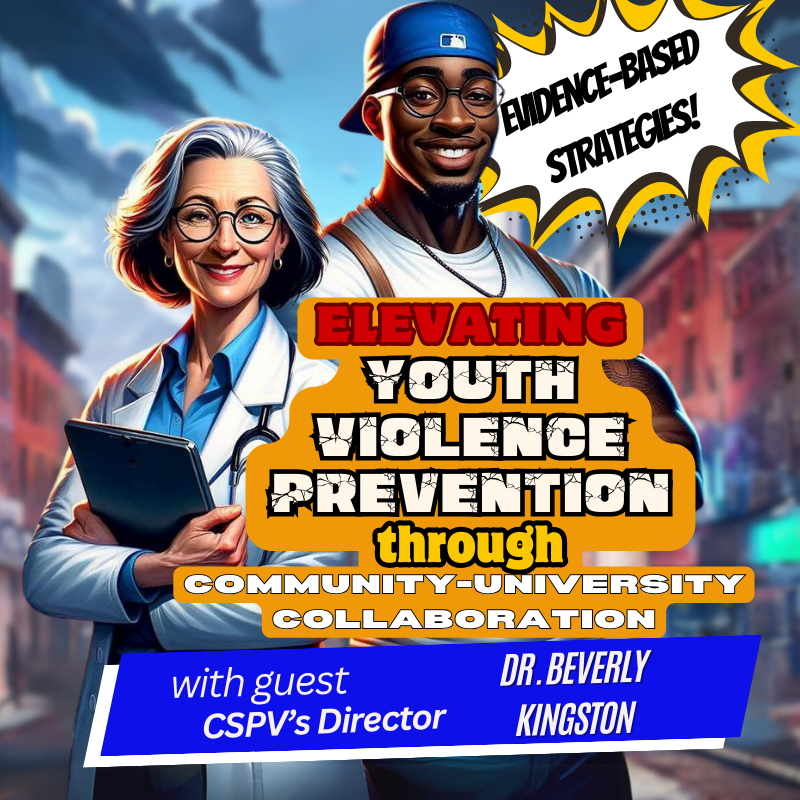
Evidence-Based Strategies: Effective Youth Violence Prevention through Community-University Collaboration

Dr. Beverly Kingston, Director of the Center for the Study and Prevention of Violence at the University of Colorado, joins host Jonathan McMillan to discuss the importance of community-led violence prevention efforts. Dr. Kingston shares her personal journey and how it led her to work with communities to evaluate the effectiveness of their violence prevention strategies. She emphasizes the need for comprehensive, evidence-based approaches that address the root causes of violence. Dr. Kingston also highlights the importance of partnerships between academia and communities, and the role of young people in shaping the future of violence prevention.